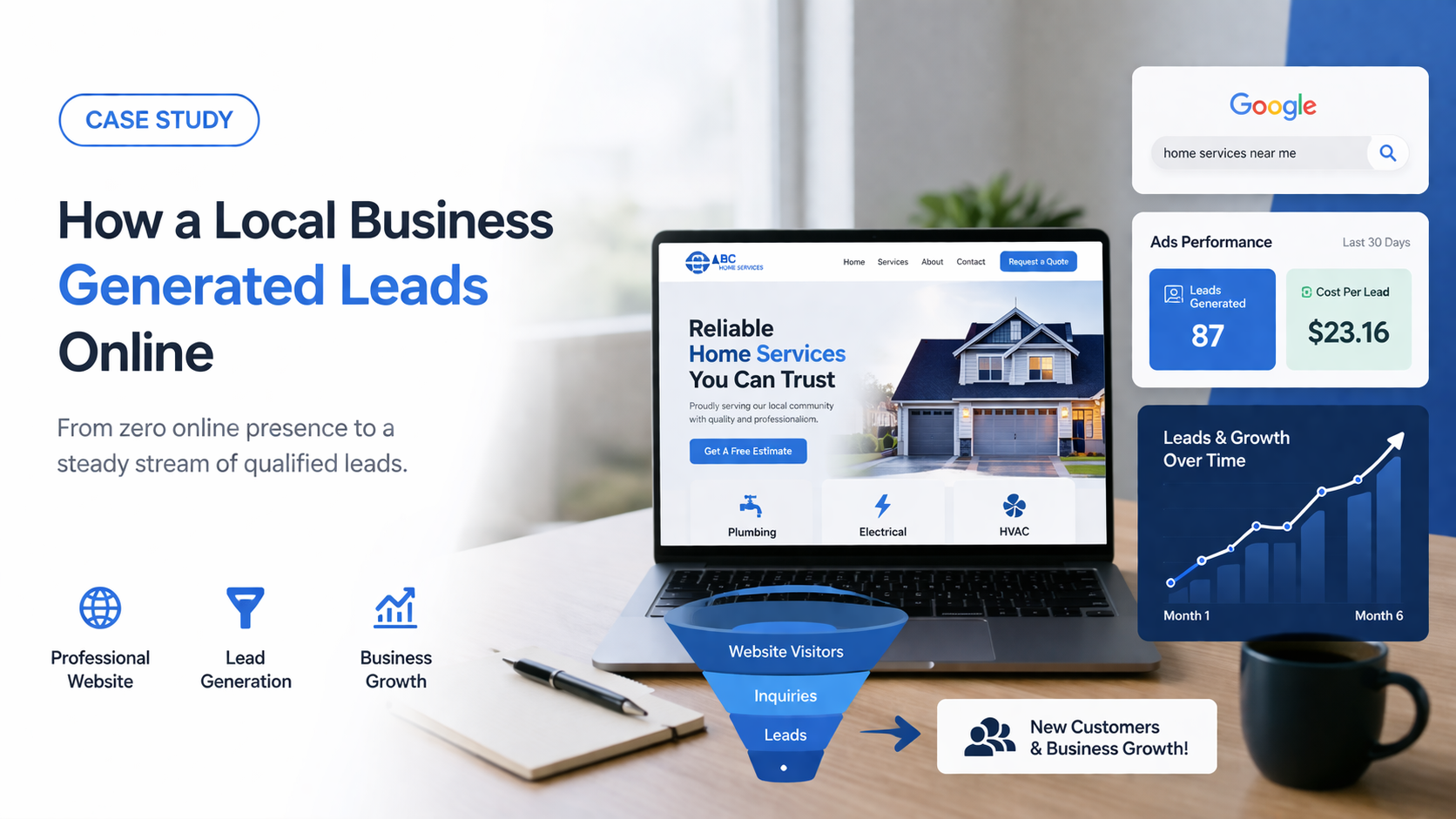
Introduction: Why Most Local Businesses Fail to Generate Leads Online
Many local businesses believe that having a website or being active on social media is enough to attract customers. However, this approach rarely delivers consistent results. In most cases, businesses invest time and money into digital platforms but still struggle to generate steady enquiries. The core issue is not the lack of effort, but the absence of a structured and goal-driven system.
In this scenario, the business had already experimented with running ads and maintaining an online presence, but there was no clear understanding of what was working and what was not. While some traffic was being generated, it was not converting into actual leads. This reflects a common challenge where businesses assume digital marketing is ineffective, when in reality, the underlying strategy is incomplete or not aligned with user intent and conversion goals.
Business Background and Initial Challenges
The business operated in the home service industry within a highly competitive urban area. Like many local businesses, they had a basic website that had been created once and never optimized further. There was no proper SEO structure, no keyword targeting, and no performance tracking system in place. They had also experimented with ads but without a clear funnel or landing page, which meant users were simply being directed to the homepage with no specific call to action.
As a result, even when traffic came in, users didn’t know what to do next. There were no strong trust signals such as testimonials, real project images, or proof of work. Additionally, the mobile experience was poor, which significantly impacted conversions since most users were visiting from mobile devices. The biggest issue, however, was the absence of a proper lead generation strategy—everything was being done in isolation.
Objective: Building a Consistent Lead Generation System
Instead of focusing on vanity metrics like website visits or social media likes, the goal was to create a system that could generate consistent and qualified leads. The aim was to reduce dependency on random campaigns, lower the cost per lead, and build a long-term digital presence through organic traffic. At the same time, improving the conversion rate was critical so that the existing traffic could be utilised more effectively.
Step 1: Creating a Conversion-Focused Landing Page
The first and most important step was not running ads or SEO—it was fixing the foundation. We focused on building a dedicated landing page designed specifically for lead generation. Instead of talking about the company in general, the page was structured around solving the customer’s problem.
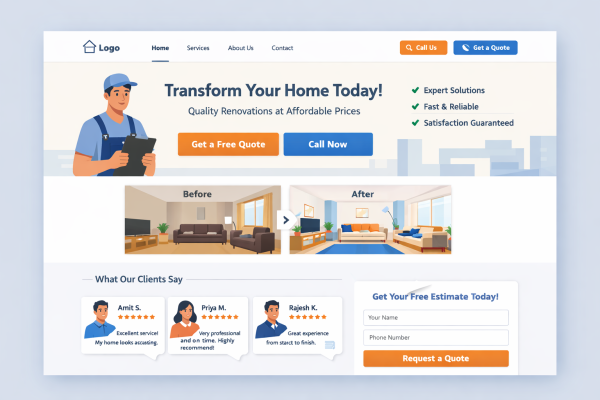
The landing page included a strong and clear headline, detailed service explanations, real before-and-after project images, and genuine client testimonials. Multiple call-to-action options were added, including a call button, WhatsApp integration, and a simple lead form. Special attention was given to mobile responsiveness and loading speed to ensure a smooth user experience.
This single change made a significant impact. Even without increasing traffic, the conversion rate improved drastically. This clearly demonstrated that improving the quality of the page can often be more effective than increasing the quantity of traffic.
Step 2: Implementing a Local SEO Strategy
Once the conversion system was in place, the next focus was on building organic visibility through local SEO. Instead of targeting broad or generic keywords, the strategy was centred around high-intent local search terms—queries that users type when they are ready to take action.
The Google Business Profile was fully optimized with updated services, images, and regular posts. Customers were encouraged to leave reviews, which helped build credibility. On the website, proper on-page SEO practices were implemented, including optimized title tags, meta descriptions, and structured headings.
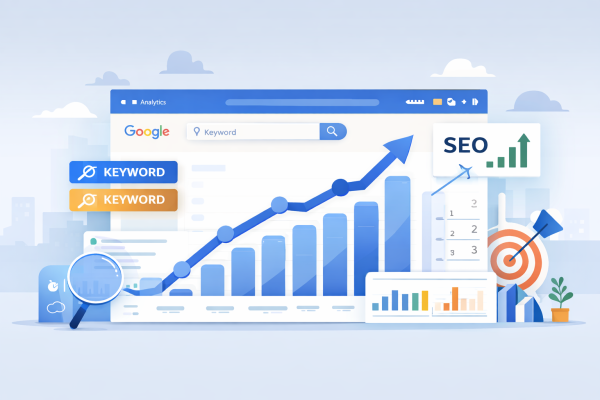
A content strategy was also introduced to target real user queries, such as pricing-related searches and service comparisons. In addition, local directory listings were created to strengthen the business’s online presence.
Over time, this approach started delivering results. The website began ranking for multiple relevant keywords, organic traffic increased steadily, and most importantly, inbound leads started coming in without any ad spend. This highlighted the long-term value of SEO as a sustainable growth channel.
Step 3: Running Performance Marketing Campaigns
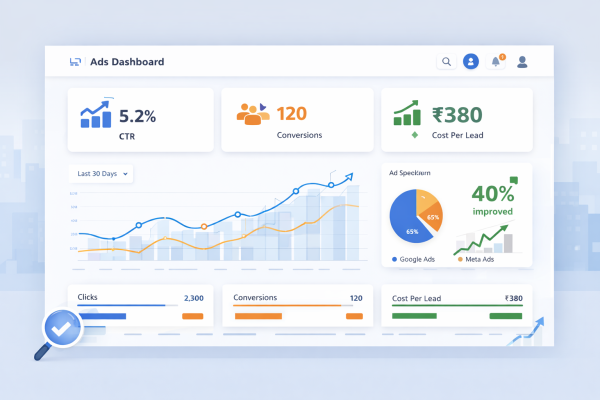
With a strong foundation and SEO in progress, the next step was to scale lead generation using paid advertising. This time, however, the approach was completely different from what the business had tried before.
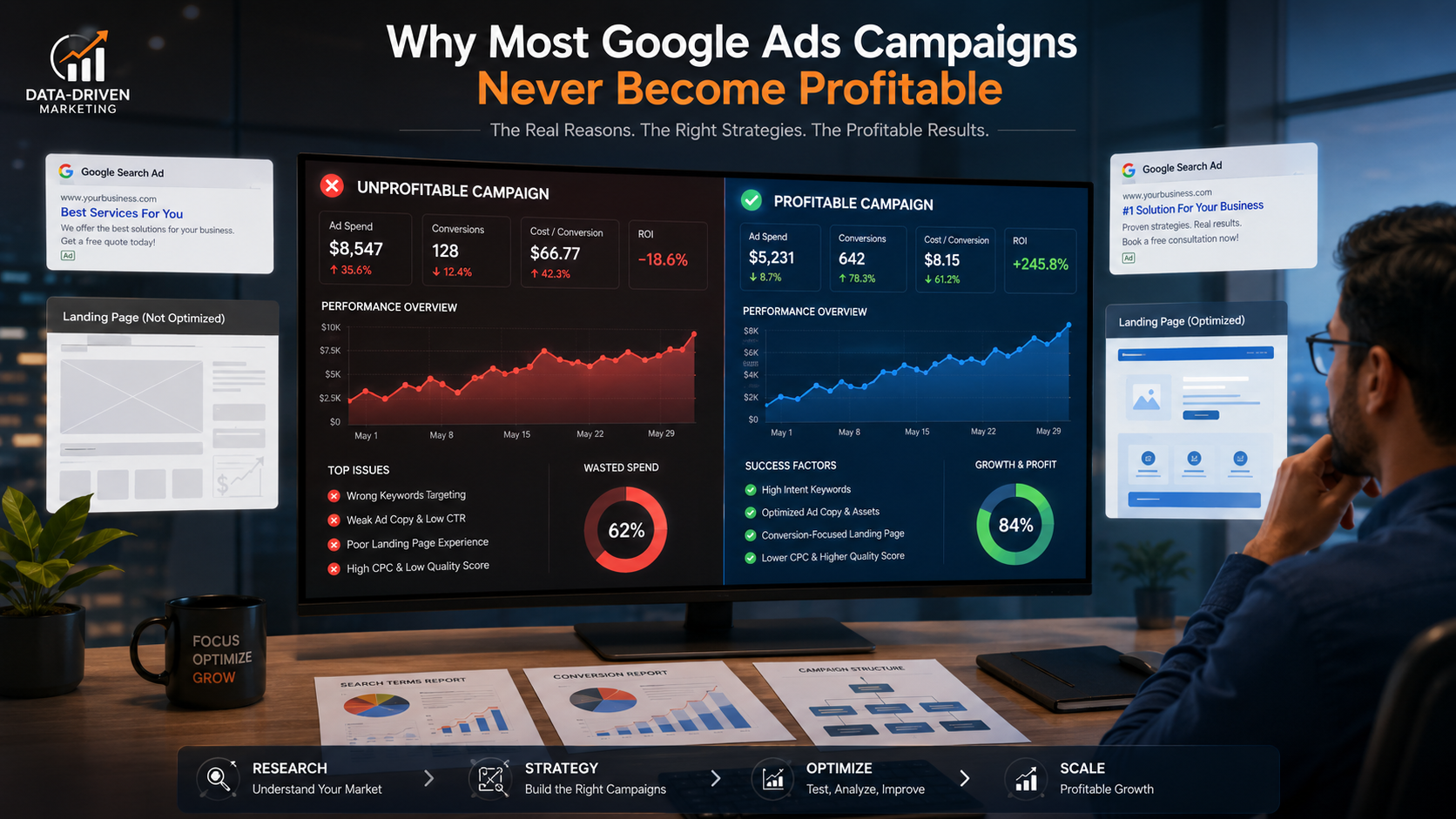
Google Ads campaigns were designed to target high-intent keywords, ensuring that the traffic coming in had a higher chance of converting. Instead of sending users to the homepage, all ad traffic was directed to the optimized landing page, which significantly improved the chances of conversion.
The messaging in the ads was also refined to focus on solving specific problems and offering clear value, such as free consultations or limited-time offers. Location-based targeting ensured that ads were shown only to relevant audiences.
As a result, the cost per lead dropped significantly, and the quality of leads improved. The same budget that was previously underperforming was now generating much better results, simply because the system supporting it was optimized.
Step 4: Retargeting and Lead Nurturing
One of the most overlooked aspects of lead generation is what happens after a user visits your website. Not every visitor converts on their first interaction, which is why retargeting and follow-up systems are crucial.
We implemented retargeting ads to re-engage users who had visited the website but did not take action. Additionally, WhatsApp automation was introduced to ensure quick responses and reduce communication delays. Follow-up messages and reminders were also used to nurture potential leads.
This approach significantly improved the overall conversion rate. Many users who initially left the website without converting eventually came back and became leads after multiple interactions. This reinforced the idea that consistent engagement plays a major role in the decision-making process.
Final Results and Transformation
Within a period of six months, the business saw a complete transformation in its lead generation process. What was once inconsistent and unpredictable became stable and measurable. Monthly leads increased from a handful to over a hundred, while the cost per lead was reduced significantly.
Organic traffic started contributing consistently alongside paid campaigns, creating a balanced and sustainable marketing system. More importantly, the business gained clarity and control over its digital marketing efforts.
Conclusion
This case study clearly shows that generating leads online is not about trying random tactics—it’s about building a structured system where every element works together. From a conversion-focused landing page to intent-driven SEO and well-targeted ads, each step played a specific role in turning traffic into actual enquiries.
What made the biggest difference wasn’t a huge budget or complex tools. It was clarity in strategy. Once the foundation was fixed and the right audience was targeted, results started becoming predictable instead of uncertain. The addition of retargeting and follow-ups further ensured that potential customers were not lost midway.
For any local business, the key takeaway is simple: focus on the full journey, not just one channel. When your website, SEO, ads, and follow-up systems are aligned, lead generation becomes consistent and scalable. And that’s when digital marketing shifts from an expense to a reliable growth engine for your business.