Introduction: Why Most Websites Don’t Rank
Most websites fail not because they lack effort, but because they follow incomplete strategies. Some focus only on content, ignoring technical issues like slow loading speed or poor mobile experience. Others chase backlinks without fixing basic on-page elements. Google doesn’t rank websites based on one factor—it evaluates the overall quality, trust, and performance of your site. If your content is strong but your site is slow, or if your technical setup is perfect but your content doesn’t match search intent, rankings won’t improve. That’s why a balanced approach to SEO is what separates websites that stay invisible from those that consistently generate traffic and leads.
You’ve written blogs.
You’ve added keywords.
Maybe even built some backlinks.
But still… no rankings.
Here’s the reality:
SEO isn’t just one thing. It’s a system.
If even one part is weak, your entire ranking suffers.
That’s where understanding On-Page SEO, Off-Page SEO, and Technical SEO becomes critical.
This guide will break everything down in a practical way—no theory overload, just what actually works.
What is SEO (Search Engine Optimization)?
SEO is the process of improving your website so that it ranks higher on Google when people search for relevant keywords.
🎯 Simple Example:
If someone searches:
👉 “digital marketing course in Thane”
And your website appears on Page 1 → That’s SEO working.
The 3 Pillars of SEO
| SEO Type | Focus Area | Goal |
|---|---|---|
| On-Page SEO | Content + page optimization | Improve relevance |
| Off-Page SEO | Backlinks + authority | Build trust |
| Technical SEO | Website performance + structure | Improve crawl & indexing |
1. On-Page SEO: What You Control on Your Website
On-page SEO is everything you do inside your website.
This is where most beginners start—and often stop.
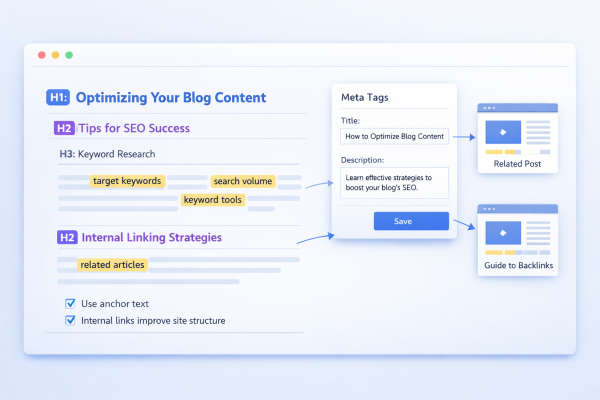
✅ Key Elements of On-Page SEO
1. Keyword Optimization
Use your primary keyword naturally in:
- Title
- URL
- Headings (H1, H2)
- First 100 words
- Meta description
👉 Avoid keyword stuffing. Google is smarter now.
2. Content Quality (Most Important)
Google ranks content that:
- Solves real problems
- Is easy to read
- Matches search intent
Real Example:
If someone searches:
👉 “Facebook ads for leads”
They want:
- Strategy
- Examples
- Steps
Not just definition.
3. Title Tag & Meta Description
Your title decides whether people click or ignore.
Example:
❌ “SEO Guide”
✅ “On-Page, Off-Page & Technical SEO Guide (With Examples)”
4. Internal Linking
Link your pages strategically.
Example anchor texts:
- Learn Facebook Ads strategy
- Digital marketing course in Thane
👉 Helps:
- Users navigate
- Google understand structure
5. URL Structure
Keep URLs clean and readable:
❌ /page?id=12345
✅ /on-page-seo-guide
2. Off-Page SEO: Building Trust Outside Your Website
Off-page SEO is what others say about your website.
Think of it like online reputation.
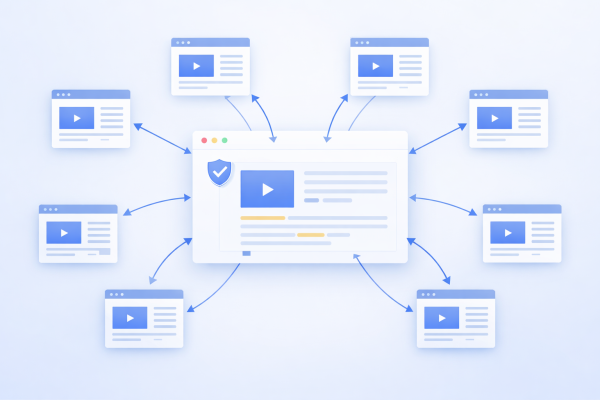
✅ Key Elements of Off-Page SEO
1. Backlinks (Most Powerful Ranking Factor)
Backlinks = Links from other websites to yours
Types:
- High-quality (best)
- Spammy (avoid)
2. Social Signals
Sharing content on:
👉 Helps drive traffic and visibility
3. Brand Mentions
Even if someone mentions your brand without linking—it still builds authority.
4. Guest Posting
Write blogs for other websites to:
- Get backlinks
- Build authority
🎯 Real-World Example
If a well-known website links to your blog →
Google thinks: “This site is trustworthy.”
3. Technical SEO: The Backbone of Your Website
Most people ignore this—and that’s a mistake.
Even great content won’t rank if your website is technically weak.
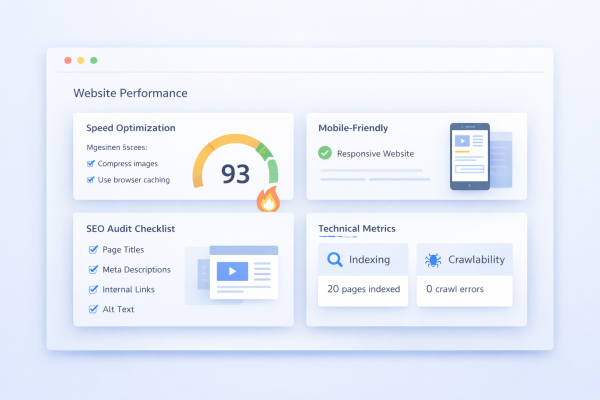
✅ Key Elements of Technical SEO
1. Website Speed
If your site loads slowly → users leave → rankings drop
👉 Ideal: Under 3 seconds
2. Mobile Friendliness
Most users are on mobile.
Your site must:
- Load properly
- Be easy to navigate
3. Crawlability & Indexing
Google should be able to:
- Crawl your pages
- Index them
4. XML Sitemap
Helps Google understand your website structure.
5. HTTPS Security
Secure websites (https) rank better.
How These 3 Work Together (Important)
Think of SEO like this:
- On-Page SEO = Content quality
- Off-Page SEO = Trust
- Technical SEO = Performance
👉 If one is weak, rankings suffer.
🎯 Simple Analogy
Your website = Shop
- On-page = Products inside
- Off-page = Reputation
- Technical = Store infrastructure
Practical SEO Strategy (Step-by-Step)
Here’s what actually works in real projects:
✅ Step 1: Fix Technical SEO First
- Improve speed
- Mobile optimization
- Fix broken links
✅ Step 2: Optimize On-Page SEO
- Target right keywords
- Write helpful content
- Use internal linking
✅ Step 3: Build Off-Page SEO
- Backlinks
- Guest posts
- Social sharing
🎯 Result:
- Better rankings
- More traffic
- More enquiries
Common SEO Mistakes to Avoid
- Keyword stuffing
- Buying low-quality backlinks
- Ignoring technical issues
- Writing content without intent
- Not updating old content
Use Case: Local Business Example
Let’s say you run a digital marketing institute in Thane:
What to do:
- Optimize pages with local keywords
- Get backlinks from local directories
- Create Google Business profile
- Publish helpful blogs
👉 This combination drives local leads.
FAQs
On-page SEO focuses on optimizing your website content, while off-page SEO focuses on building backlinks and authority from external sources.
All three are important. However, without technical SEO, even good content may not rank.
SEO usually takes 3–6 months to show results, depending on competition and strategy.
Yes, but rankings will be limited. Backlinks help improve authority and trust.
SEO provides long-term results, while ads give instant traffic. Best results come from combining both.
Conclusion: SEO is Not Optional Anymore
If there’s one thing to take away from this guide, it’s this—SEO is not about shortcuts. It’s about building a strong foundation where on-page SEO, off-page SEO, and technical SEO work together.
Many websites fail because they focus on just one area. But the ones that consistently rank on Google understand how to balance all three:
- Clear, helpful content that matches search intent
- A technically sound website that loads fast and works smoothly
- Genuine backlinks that build trust and authority
You don’t need to do everything at once. Start small. Fix technical issues, improve your content, and gradually build authority.
Over time, this approach doesn’t just improve rankings—it brings consistent traffic, better visibility, and real enquiries.