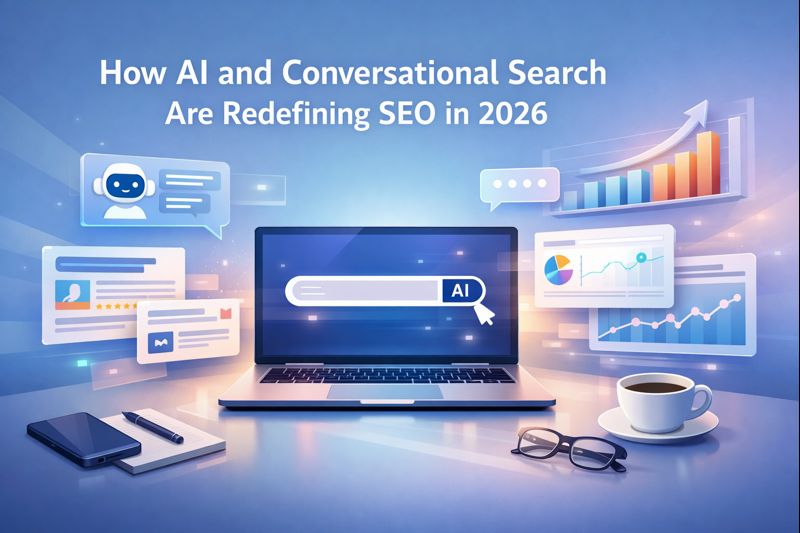
Introduction: Why SEO in 2026 Is Not What It Used to Be
Search behavior has changed more in the last three years than it did in the previous decade. Traditional keyword-based searching is being replaced by AI-driven conversational discovery. Users no longer type short phrases like best digital marketing course. Instead, they ask detailed questions such as:
“Which digital marketing course in Thane offers AI-based training and placement support?”
This shift is powered by AI assistants, voice search, chat-based interfaces, and generative search engines. As a result, SEO in 2026 is no longer about ranking pages — it is about becoming the best answer.
In this guide, you’ll learn:
How AI-powered search engines now interpret user intent
What conversational search means for SEO strategy
New ranking factors in 2026
How to optimise content, websites, and funnels
Practical examples and real-world use cases
Whether you are a business owner, marketer, SEO professional, or student, this blog will help you adapt, rank, and convert in the new search ecosystem.
What Is Conversational Search?
Conversational search allows users to interact with search engines the same way they talk to humans. Instead of keywords, users use full sentences, follow-up questions, and voice commands.
Example:
Traditional Search (2022):
Conversational Search (2026):
Which SEO course teaches practical AI tools and offers placement support in Maharashtra?
This change is driven by:
AI chat-based search engines
Voice assistants
Smart devices
Multimodal search (text + voice + image)
Search engines now understand:
Context
Intent
User history
Location
Behavior patterns
This means ranking is no longer just about keywords, but about relevance, depth, clarity, and trust.
How AI Is Transforming the SEO Landscape
AI is deeply integrated into every layer of modern search engines. From crawling to ranking to content understanding, machine learning models control most decisions.
1. Intent Understanding at a Deeper Level
AI now interprets:
User motivation
Emotional signals
Buying readiness
Informational depth required
Instead of ranking pages that simply contain keywords, AI ranks pages that best satisfy the real user intent.
2. Contextual Ranking Instead of Keyword Matching
In 2026, keyword density means almost nothing.
Search engines focus on:
Semantic relevance
Topic authority
Entity relationships
Natural language clarity
Your content must solve problems, not just target keywords.
3. Predictive Search Results
Search engines now predict:
What users will ask next
What information they need after the first query
This rewards deep, structured, complete content instead of thin pages.
SEO in 2026: Old vs New Approach
| Traditional SEO | AI-Driven SEO |
|---|---|
| Keyword-focused | Intent-focused |
| Short-form blogs | In-depth helpful content |
| Backlink heavy | Authority + engagement |
| Ranking pages | Answering questions |
| Traffic-centric | Conversion-centric |
The biggest shift? SEO is no longer about traffic alone. It’s about quality traffic that converts.
New Ranking Factors in 2026
Search engines now evaluate websites based on hundreds of behavioral and contextual signals.
Key ranking signals include:
Content depth and clarity
User engagement metrics
Conversational relevance
Expertise and credibility
Brand search volume
Topical authority
First-hand experience
If your content looks generic or templated, it simply doesn’t survive in modern SERPs.
How Conversational Search Changes Keyword Strategy
From Short Keywords to Query-Based Optimisation
Instead of:
SEO tools course
Focus on:
Which SEO tools should beginners learn in 2026?
How to use AI tools for SEO analysis?
Best Keyword Types in 2026:
Question-based queries
Long conversational phrases
Problem-solving searches
Comparison-based searches
This is why FAQ-style and guide-style content ranks better than traditional blogs.
Content Strategy for AI-Driven SEO in 2026
1. Write for Humans First
If your content sounds robotic, AI systems detect it instantly. Real experience, examples, clarity, and storytelling matter more than ever.
2. Build Topic Clusters
Instead of writing random articles, create content ecosystems.
Example cluster:
What is AI SEO
AI tools for SEO
Conversational search optimisation
Voice search strategies
Generative search optimisation
This helps build topical authority.
3. Use Structured Content Layout
AI prefers content that is:
Well-organised
Easy to scan
Clear hierarchy
Direct answers
Use:
Bullet points
Tables
Headings
FAQs
Real-World Example: How Search Has Changed Buyer Behaviour
Earlier, users searched:
“Best digital marketing institute”
Now, they ask:
“Which digital marketing institute offers AI-based training, real projects, and placement assistance near Thane?”
This means:
Local intent
Service clarity
Proof of expertise
Outcome-driven content
Websites that answer these queries directly win the ranking battle.
Funnel Optimisation in AI Search Era
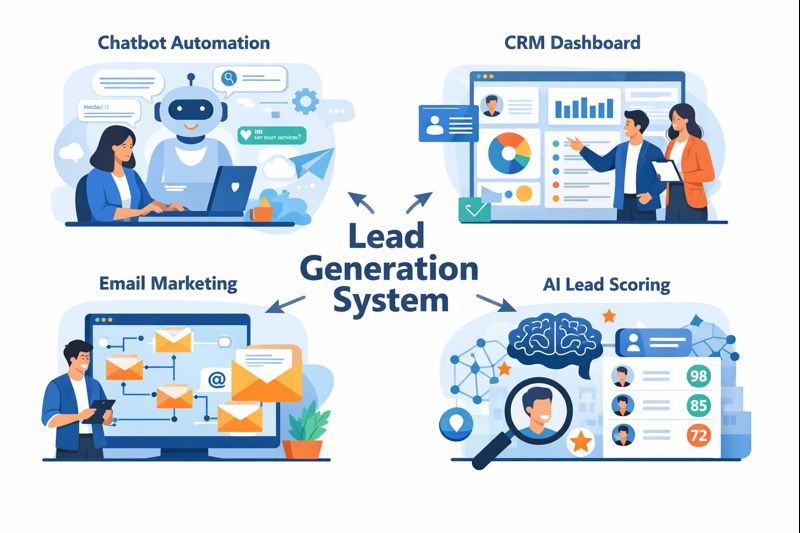
AI-driven search is not just about rankings. It directly impacts your conversion funnel.

Key Funnel Changes:
AI-driven traffic is highly qualified
Users expect instant answers
Decision time is shorter
Funnel Optimisation Strategy:
Strong landing pages
Instant chat support
Clear value proposition
Trust elements
Landing Page Optimisation for Conversational Search
Key Optimisation Factors:
Clear messaging
Direct answer to search intent
AI chat widgets
Video explanations
Proof of results
Your landing page should continue the conversation that search started.
Technical SEO Still Matters (But Differently)
Even in 2026, technical SEO is critical — but now it supports AI understanding rather than just crawling.
Must-Have Technical Factors:
Clean site structure
Fast loading
Mobile-first design
Schema markup
Conversational content formatting
Featured Snippet & Zero-Click Optimisation
AI search engines often answer queries directly on the search page.
To win this space:
Write direct answers
Use bullet summaries
Add tables
Create strong FAQ blocks
Common SEO Mistakes in 2026
Publishing generic AI-generated content
Over-optimising keywords
Ignoring search intent
Weak conversion funnels
No topical depth
FAQs
Conversational SEO focuses on optimising content for natural, question-based search queries used in voice and AI chat searches.
No. Traditional SEO fundamentals remain, but strategy now focuses more on intent, experience, and authority.
By creating helpful content, optimising for conversational queries, improving UX, and building strong brand authority.
Only when it is edited, enhanced, and enriched with real experience and insights.
Prompt engineering, conversational content strategy, AI tools, CRO, and data-driven optimisation.
Conclusion: SEO Is Now Experience + Trust + Relevance
SEO in 2026 is no longer a technical game alone. It is a communication and experience game.
Brands that:
Educate clearly
Build trust
Provide real value
Answer real questions
…will dominate search results.